

COPS 2.0
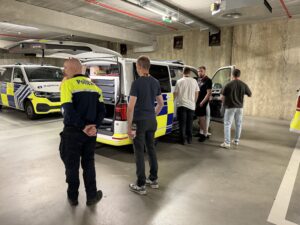
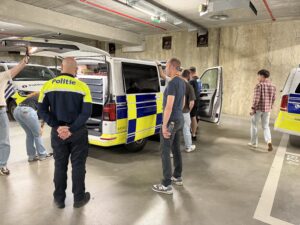
From 16 to 23 August 2026, the International Police Association Belgium – Section Antwerp welcomed an international group of police, customs and military police professionals to Campus Vesta in Ranst for COPS 2.0 – Drugs & Related Violence. What followed was an intensive week of learning, practical training, knowledge exchange and friendship, all centred on one of the most pressing security challenges facing Europe today: organised drug crime and the violence that accompanies it.
Although the organisers did not reach the ambitious number of participants initially envisaged, the final group of approximately 15 to 20 colleagues proved to be the ideal size for what IPA has always stood for: personal connections, open dialogue and international friendship. Rather than being a limitation, the smaller group created a close-knit atmosphere where participants quickly got to know one another, shared experiences from their respective countries and built professional networks that will undoubtedly continue long after the seminar.
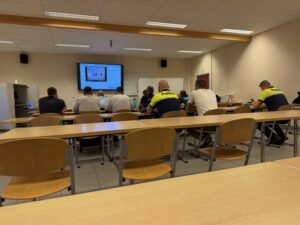
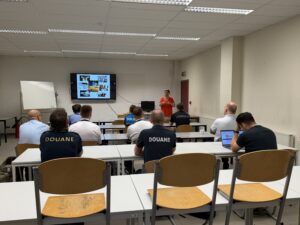
The seminar combined strategic, operational and practical perspectives on combating organised crime. Throughout the week, participants received presentations from Belgian specialists working on the frontlines of the fight against drug trafficking and related violence. Topics ranged from the role of the Belgian police and international cooperation to customs, military policing, synthetic drug production, hidden compartments and specialised support services.
One of the highlights was the presentation by the Federal Maritime & River Police (SPN), which provided a detailed insight into Belgium’s waterborne policing capabilities and the ongoing battle against cocaine trafficking through the Port of Antwerp. Participants learned about the evolution of the service, its specialised vessels and its Technical Support Team (TST), which supports investigations involving hidden compartments, evidence recovery, drugs, explosives and underwater searches. The session also illustrated how the maritime police strengthened their operational response following the wave of drug-related violence that affected Antwerp in recent years.
Another thought-provoking presentation was delivered by Annemie De Boye of ARIEC Limburg, who explained the growing importance of the administrative approach to organised crime. Participants discovered how municipalities, mayors and administrative authorities can play a crucial role in disrupting criminal networks by using licensing policies, inspections, information sharing and integrity screenings. The presentation demonstrated that combating organised crime requires far more than arrests alone; it demands a coordinated effort involving police, judicial authorities, tax administrations and local governments.
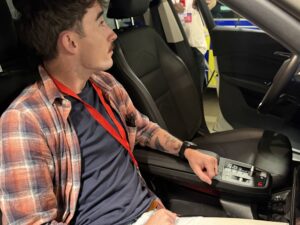
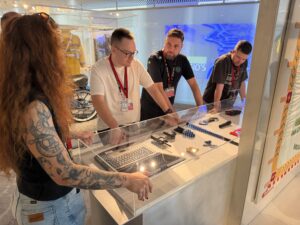
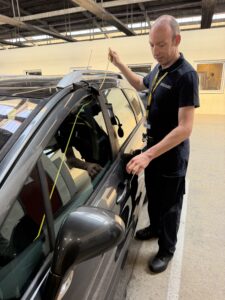
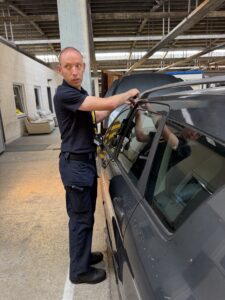
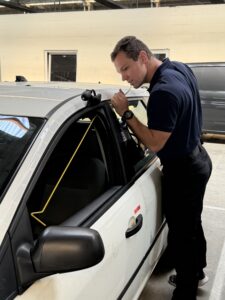
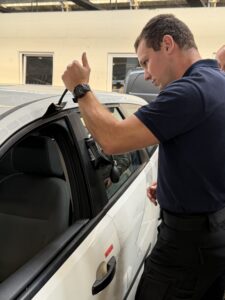
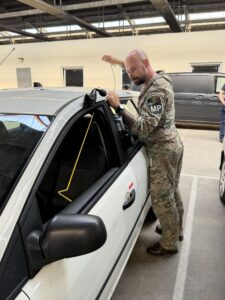
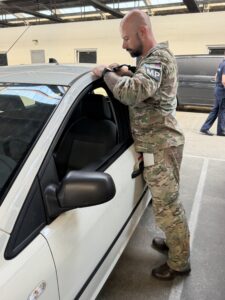
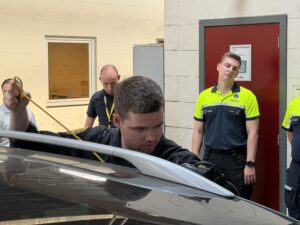
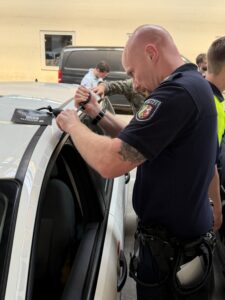
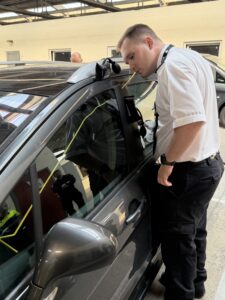
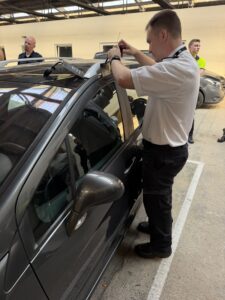
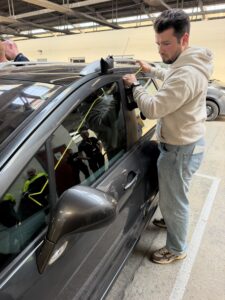
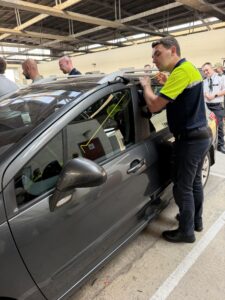
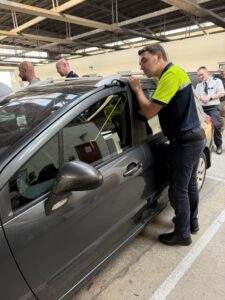
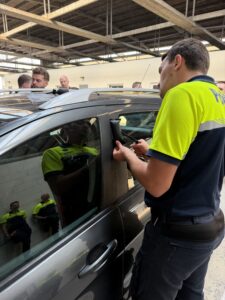
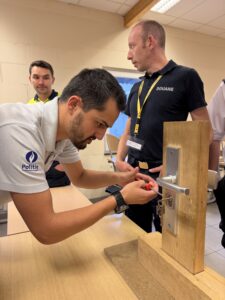
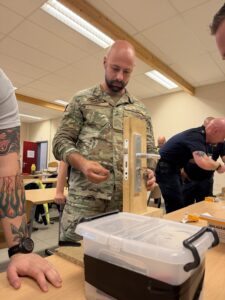
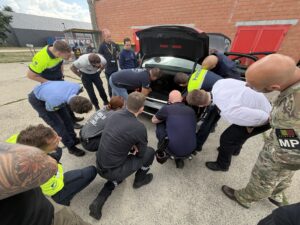
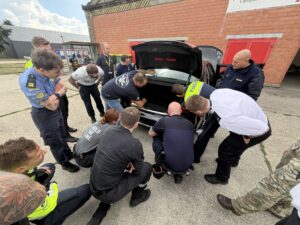
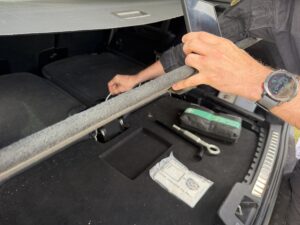
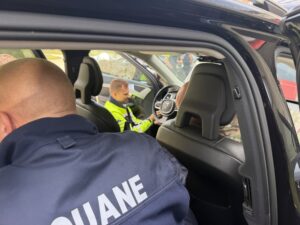
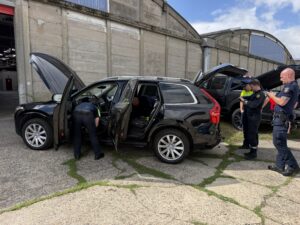
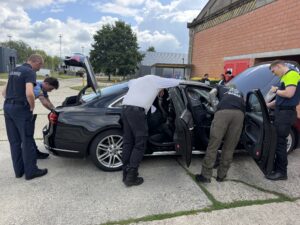
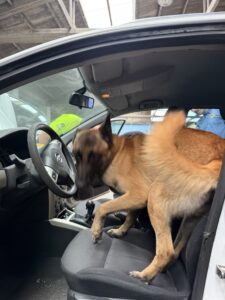
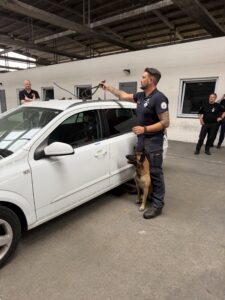
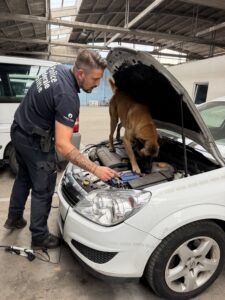
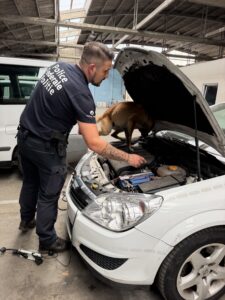
The international dimension of organised crime was further explored through a specialist session on hidden compartments in vehicles. Experts from the International Concealed Compartments Network explained how criminal organisations use increasingly sophisticated concealment methods to transport drugs, cash and weapons across borders. Participants gained valuable operational knowledge on identifying indicators, conducting searches safely and preserving forensic evidence, while also learning about the importance of European cooperation and information sharing in tackling these criminal techniques.
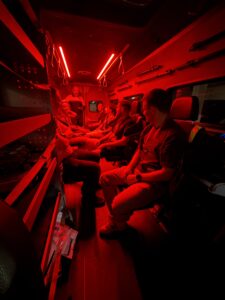
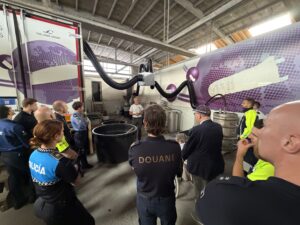
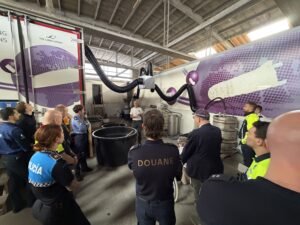
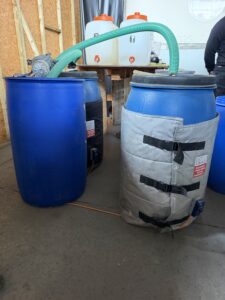
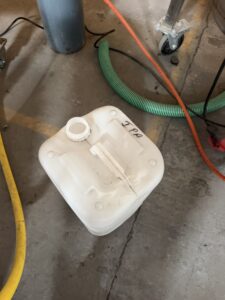
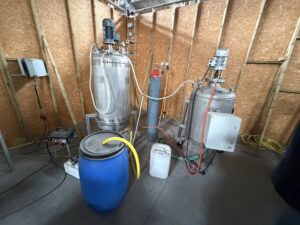
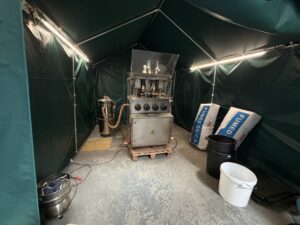
A particularly impressive day focused on synthetic drug production, a criminal phenomenon with which Belgium is increasingly confronted. Specialists explained the evolution of drug laboratories, the chemicals and equipment used in large-scale production of amphetamine, MDMA, methamphetamine and synthetic cathinones, as well as emerging trends in the criminal landscape. Participants gained insight into the multidisciplinary Belgian approach, involving police, forensic experts and hazardous materials specialists working together to detect and dismantle clandestine laboratories.
Equally important was the emphasis on safety. Detailed briefings highlighted the significant risks associated with synthetic drug laboratories, including toxic gases, fires, explosions, corrosive chemicals, environmental contamination and improvised or defective equipment. Officers were reminded that recognising a laboratory is only the first step; knowing how to safely secure a scene and request specialised assistance can be equally important.
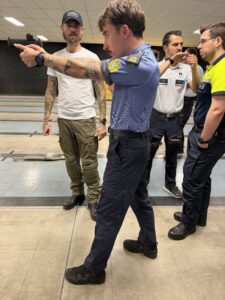
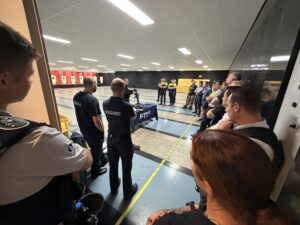
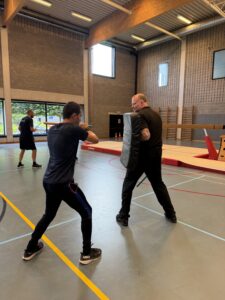
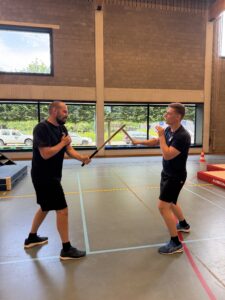
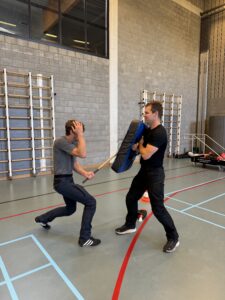
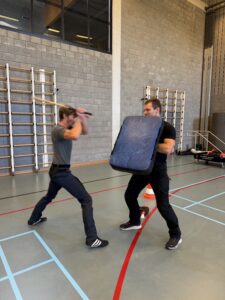
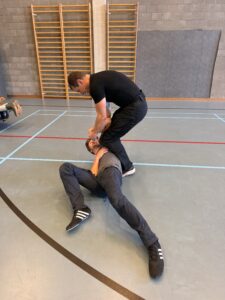
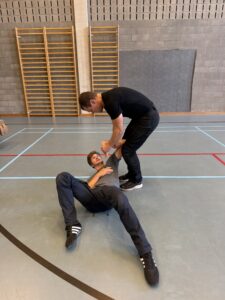
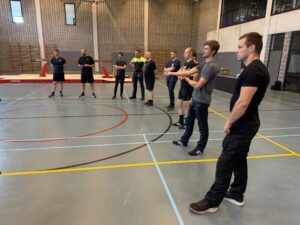
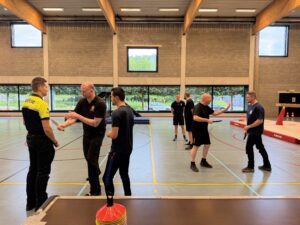
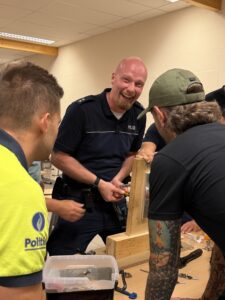
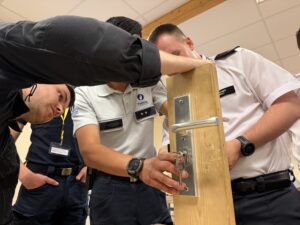
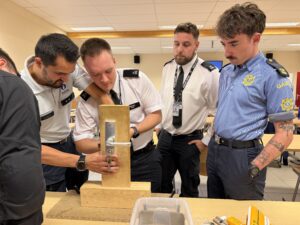
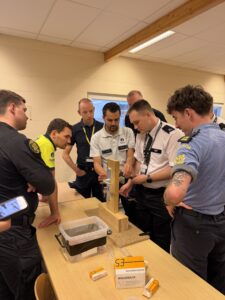
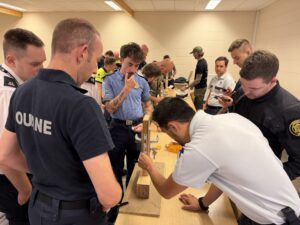
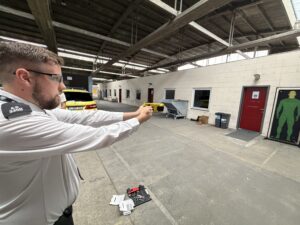
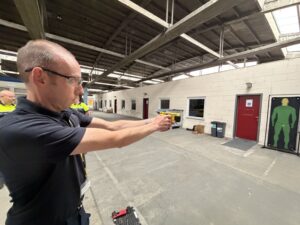
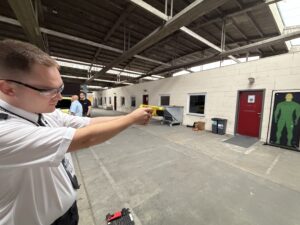
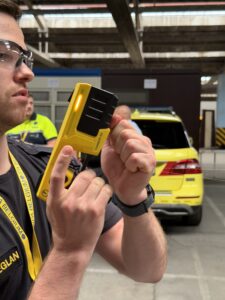
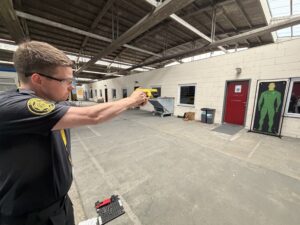
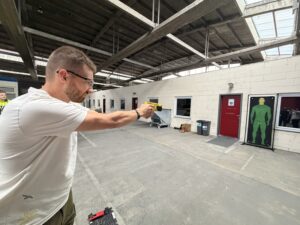
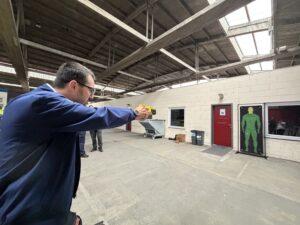
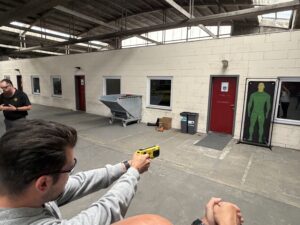
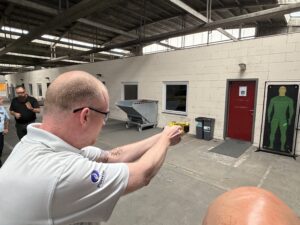
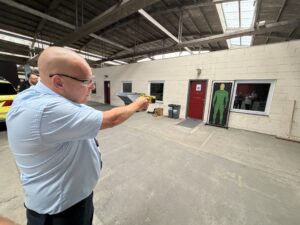
While the lectures provided participants with valuable expertise, Friday’s programme demonstrated that policing ultimately remains a practical profession. The entire day was dedicated to hands-on training and scenario-based learning.
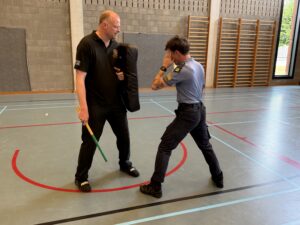
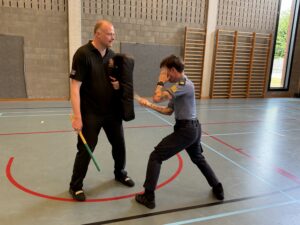
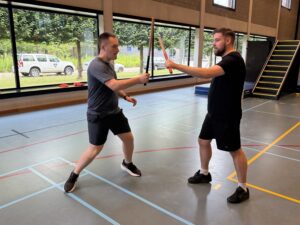
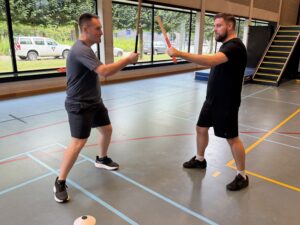
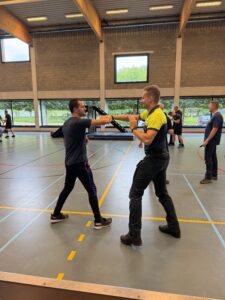
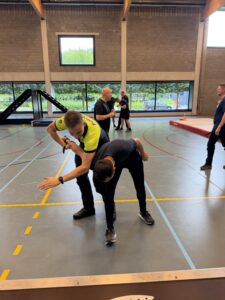
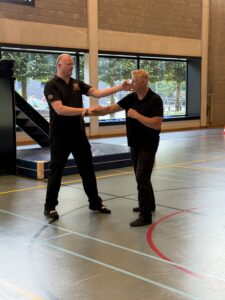
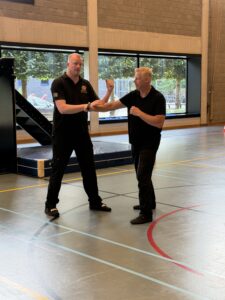
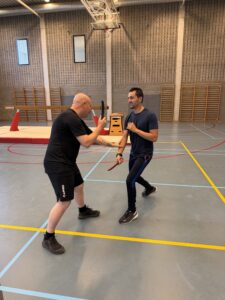
During the knife awareness workshop, instructors from Doce Pares Eskrima introduced participants to realistic approaches for recognising, avoiding and responding to knife threats. The training focused on officer safety, situational awareness and practical defensive techniques applicable to modern policing.
This was followed by baton training, also based on the principles of Doce Pares Eskrima. Participants refined their skills in the lawful and effective use of the baton while developing a better understanding of distance management, movement and personal protection during confrontational situations.
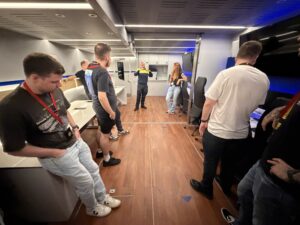
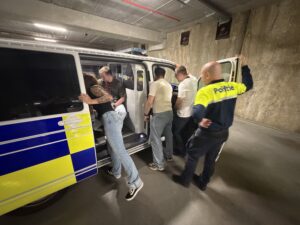
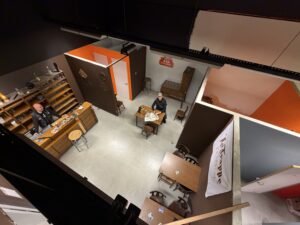
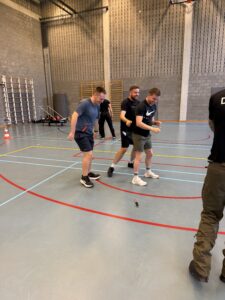
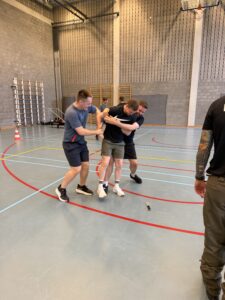
Perhaps the most engaging part of the practical day was the roleplay programme. Participants were confronted with realistic scenarios based on incidents and operational situations that Belgian police services have encountered. Working together, colleagues from different countries were challenged to solve the situations using their own experience, tactics and professional judgement. After each exercise, Belgian officers provided feedback, operational insights and practical recommendations. These discussions quickly became one of the most valuable learning opportunities of the week, as participants discovered how different countries approach similar policing challenges. The exchange of knowledge, tactics and professional experiences perfectly reflected the international spirit of the seminar.
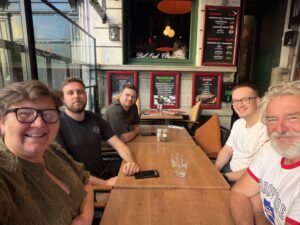
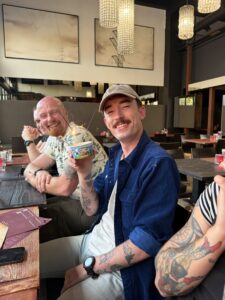
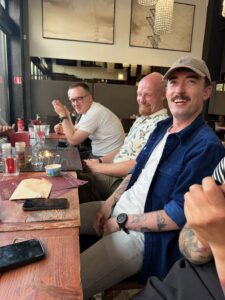
Beyond the classroom and training grounds, COPS 2.0 delivered what IPA events do best: bringing people together. The all-inclusive residential format, shared meals, evening conversations and informal networking opportunities helped create friendships and professional connections that cannot be achieved through online meetings or short conferences. The famous IPA spirit was present throughout the week.
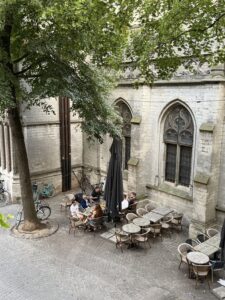
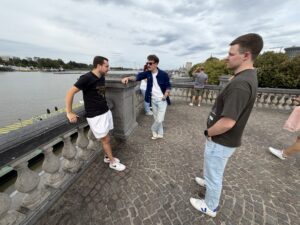
The programme concluded with a visit to Antwerp, where participants explored the city through the eyes of a specialised crime guide. Historical crime scenes, policing stories and modern-day challenges provided an interesting cultural and professional perspective on Belgium’s largest port city before participants enjoyed some free time to discover Antwerp on their own.
Looking back, COPS 2.0 was much more than a seminar about drugs and related violence. It became a platform where operational experts, investigators and frontline officers could learn from one another, challenge each other’s perspectives and build lasting international partnerships. The combination of expert presentations, practical workshops, realistic scenarios and informal networking created precisely the environment that the IPA seeks to foster.
In the end, the success of COPS 2.0 was not measured by the number of participants, but by the quality of the experience shared among them. The friendships formed, the lessons learned and the international cooperation strengthened during the week are a testament to the enduring relevance of the IPA motto:
Servo per Amikeco – Service Through Friendship.